
Merino Wool Blends vs 100% Merino: What You're Actually Getting
A merino wool blend is a fabric that combines merino wool with synthetic fibers like polyester, nylon, or elastane. These blends are common in activewear: brands mix natural merino with cheaper, more durable synthetics to reduce costs and add stretch. Blend ratios vary widely, from 87% merino down to just 50%, and every percentage of synthetic content changes how the fabric performs, biodegrades, and sheds microplastics.
So if you're shopping for merino activewear to move away from plastic-based fabrics, understanding what's actually in a merino blend matters more than you might think. Many products market themselves as "merino wool" while containing significant synthetic content — and the trade-offs aren't always obvious.
What Are Merino Wool Blends, Exactly?
Merino blends combine merino wool with synthetic fibers, typically polyester, nylon, or elastane. Common blend ratios include:
- 87% merino wool / 13% nylon
- 83% merino wool / 17% nylon
- 70% merino wool / 30% polyester
- 53% merino wool / 47% polyester
The synthetic fibers are blended directly into the yarn during manufacturing, so the resulting fabric contains both natural and synthetic materials throughout. You're not getting sections of pure merino and sections of synthetic; rather, every fiber in the garment is either merino or synthetic.
Brands often position these blends as "the best of both worlds," claiming you get merino's natural benefits plus enhanced durability from synthetics. But that framing obscures what you're actually giving up.
Why Brands Use Merino Blends
There are legitimate reasons why many activewear companies blend merino with synthetics:
- Cost reduction: Merino wool is expensive. Blending it with cheaper polyester or nylon significantly reduces material costs while still allowing brands to market products as "merino wool."
- Increased durability: Synthetic fibers are indeed stronger than wool fibers. Blends can be more abrasion-resistant and less prone to developing holes in high-friction areas.
- Enhanced stretch and recovery: Nylon and elastane add elasticity that helps garments maintain their shape after repeated wear and washing.
- Faster drying: Synthetic fibers don't absorb water the way wool does, so blends dry more quickly after washing or sweating.
- Easier care: Blends are generally more forgiving if you accidentally wash them in hot water or throw them in the dryer.
These benefits are real. For some people, merino blends represent a practical compromise. But they come at a cost that goes beyond the price tag.
What You Lose with Merino Blends
When you add synthetic fibers to merino wool, you fundamentally change the fabric's properties. Here's what gets compromised:
Biodegradability
Pure merino wool is completely biodegradable. When a 100% merino garment reaches the end of its life, it will decompose naturally within months, returning nutrients to the soil.
Merino blends containing polyester or nylon are not biodegradable. The synthetic fibers are petroleum-based plastics that take hundreds of years to break down. Even a blend that's 87% merino wool will persist in landfills for centuries because of that 13% synthetic content.
If environmental impact is a priority for you, this distinction is significant. A "mostly merino" shirt still ends up as plastic waste.
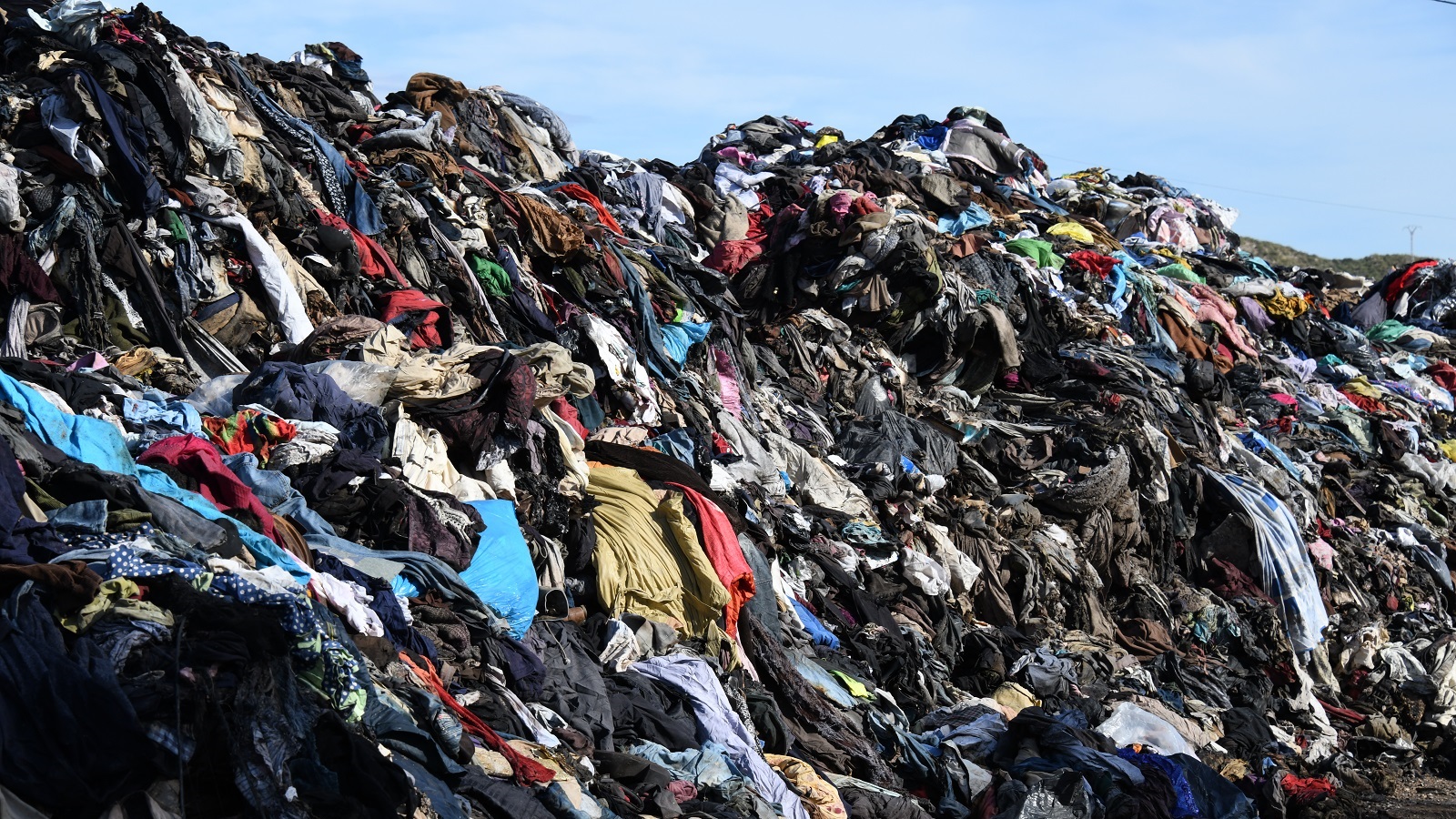
Source: PIRG.org, "The Fashion Industry Waste Is Drastically Contributing To Climate Change"
Microplastic Shedding
This is perhaps the most important difference for anyone concerned about plastic pollution. When washed, synthetic fibers shed microplastics, which are tiny plastic particles that water treatment plants can't filter out. These microplastics end up in waterways and oceans, where they accumulate in marine life and work their way up the food chain.
Studies have shown that a single synthetic garment can release hundreds of thousands of microplastic fibers per wash cycle. When you wash a merino blend, you're releasing microplastics into the environment with every load of laundry.
Pure merino wool sheds natural fibers that biodegrade. Merino blends shed plastic that persists indefinitely.
If your goal in choosing merino activewear is to get away from plastic-based fabrics, merino blends undermine that goal. You're still contributing to microplastic pollution every time you wash your clothes.

Natural Odor Resistance
Merino wool naturally resists odor because its fiber structure inhibits bacterial growth. This is one of merino's signature performance benefits: you can wear it for days without it smelling.
Adding synthetic fibers to merino reduces this natural antimicrobial property. Polyester and nylon trap bacteria and odor the same way all synthetic activewear does. The more synthetic content in a blend, the less effective the natural odor resistance becomes.
Many merino blends compensate for this by adding chemical antimicrobial treatments. These treatments work initially but wash out over time, and they introduce additional chemicals to a product you're choosing specifically for its natural properties.
Pure merino wool doesn't need chemical treatments to fight odor. It just works.
Temperature Regulation
Merino wool's ability to regulate body temperature in both heat and cold is one of its most impressive natural properties. The fiber can absorb up to 30% of its weight in moisture while still feeling dry, and it releases that moisture slowly to help cool you down or keep you warm depending on conditions.
Synthetic fibers don't have this capacity. They're hydrophobic, meaning they repel water rather than managing it. When you blend merino with synthetics, you dilute the wool's natural moisture management and temperature regulation properties.
A 70/30 merino-polyester blend doesn't give you 70% of merino's thermoregulation benefits. It fundamentally changes how the fabric interacts with moisture and temperature. You get something in between – not quite as moisture-trapping as pure synthetic, but nowhere near as effective as pure merino.
Skin Comfort and Breathability
Pure merino wool allows your skin to breathe. The natural crimp in wool fibers creates air pockets that provide insulation while allowing air circulation.
Synthetic fibers sit differently against skin. Many people find that merino blends feel less comfortable during extended wear compared to pure merino, especially during high-output activities when you're sweating heavily. The synthetic content can create a slightly clammy feeling that pure merino doesn't have.
For people with sensitive skin or those prone to irritation from synthetic fabrics, merino blends may cause issues that pure merino wool doesn't.
Performance Comparison: Pure Merino vs. Blends
Let's look at how 100% merino wool and merino blends actually perform across key metrics:
The Honest Comparison
100% Merino vs. Blends
Not all merino is created equal. Here's how pure merino wool stacks up against synthetic blends — category by category.
The verdict? Pure wins where it matters.
Blends trade away merino's best qualities to save a few dollars on production.
We think the real thing is worth it.
Shop our 100% merino wool collection
The key is being honest about your priorities. If durability matters more than environmental impact, or if you need extreme stretch for your specific activity, a blend might serve you better.
The Marketing Problem with Merino Blends
Here's where things get murky. Many brands market merino blends without clearly communicating what you're giving up. You'll see products advertised as "merino wool" in large text, with the blend percentage buried in small print or only visible in the product specifications.
Some common marketing claims about blends need context:
"Enhanced durability" is true, but it comes from adding plastic that won't biodegrade.
"Improved performance" often means faster drying, but at the cost of moisture management and temperature regulation.
"Technical merino" or "performance merino" often just means "blended with synthetics," not that it's technically superior.
"Core-spun" construction wraps merino around a synthetic core, meaning you get the surface benefits of merino, but the structural fiber is plastic.
There's nothing dishonest about these claims individually, but together they can obscure the fundamental trade-off: you're getting a hybrid fabric that's partially plastic.
If you're choosing merino specifically to avoid plastic-based activewear and microplastic pollution, these marketing messages can be misleading.
What to Look For in Pure Merino Wool
If you decide 100% merino wool aligns better with your values and performance needs, here's what matters:
Micron count: This measures the fiber diameter. Lower micron count means softer wool. For activewear, 17.5-19.5 micron is ideal; it's soft against skin but durable enough for athletic use.
Knit construction: The way the fabric is knitted matters as much as the fiber quality. Look for tight, durable knits rather than loose, stretchy ones. Jersey knits work well for t-shirts, while interlock or rib knits add structure.
Weight: Lightweight merino (150-200 gsm) works for most activewear applications. Heavier weights are better for layering pieces or cold weather.
Sourcing: Look for non-mulesed wool from ethical suppliers. Certifications like ZQ Merino or Responsible Wool Standard indicate higher animal welfare standards.
The Bottom Line: Choose Based on Your Values
The choice between 100% merino wool and merino blends comes down to what you value most.
Choose pure merino if:
- You want to eliminate plastic-based fabrics from your wardrobe
- Microplastic pollution is a concern for you
- You prioritize biodegradability and end-of-life impact
- Natural odor resistance without chemical treatments matters
- You value merino's natural temperature regulation
- You're willing to follow proper care instructions
- Environmental impact outweighs convenience
Choose merino blends if:
- Durability in high-abrasion conditions is your top priority
- You need maximum stretch
- Faster drying time is essential for your activities
- Care convenience is more important than environmental impact
- Budget is a significant constraint
- You're skeptical about caring for pure merino properly
There's no universally "right" answer. But if you're choosing merino activewear specifically to get away from synthetic fabrics and plastic pollution, then merino blends (even high-percentage blends) don't fully deliver on that goal.
A shirt that's 87% merino and 13% nylon is still shedding microplastics. It's still going to sit in a landfill for hundreds of years. It's still partially petroleum-based.
For some people, that's an acceptable compromise for the performance benefits. For others, it defeats the purpose of choosing natural fibers in the first place.
The important thing is knowing what you're actually getting, so you can make an informed choice that aligns with your priorities. Don't let vague marketing about "performance blends" obscure the fundamental trade-off between natural and synthetic materials.
If you decide pure merino is right for you, the care requirements aren't as demanding as they seem. Modern merino activewear can be machine washed on gentle cycles with cold water, and air drying is faster than you'd expect. The benefits, such as true plastic-free performance wear that works with your body naturally, are worth the small amount of extra attention.
The choice is yours. Make sure it's an informed one.
Ready to experience the difference wearing 100% merino wool can make? Shop our best-sellers now.